
Enquiry Form
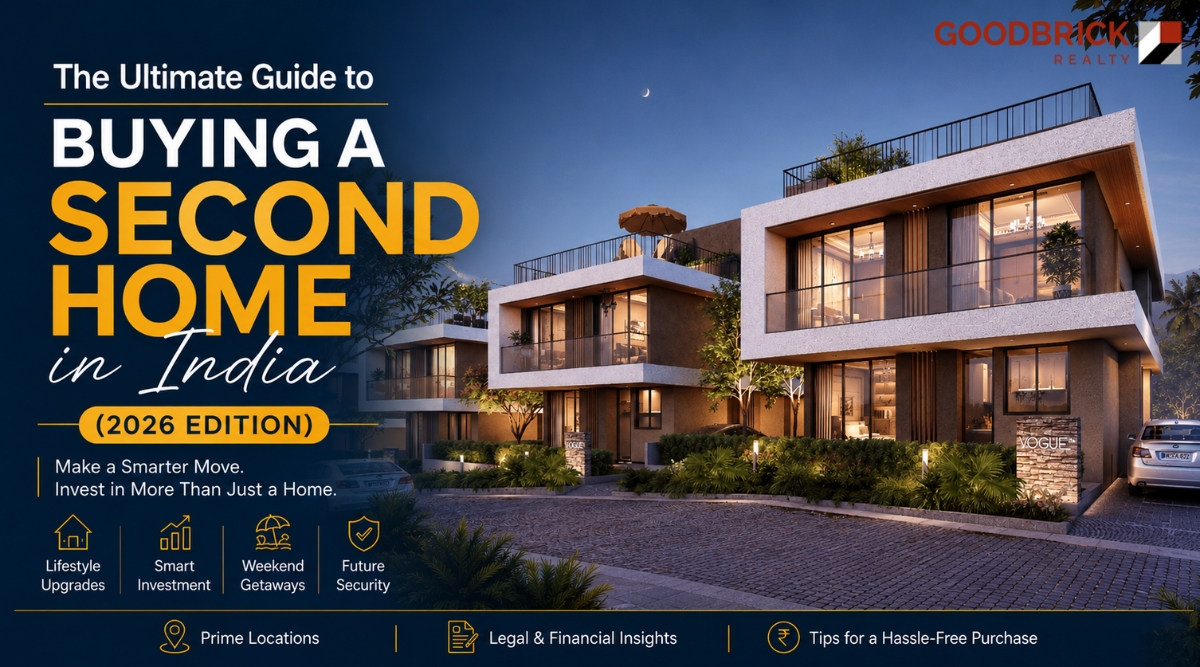
A second home used to mean one thing: a holiday house you visited twice a year and left locked up the rest of the time. That definition doesn’t hold anymore.
Today, second homes are where families reconnect on long weekends, professionals work remotely for a few days at a time, and investors quietly build a second home investment property into their portfolio. The idea has shifted from “occasional luxury” to “everyday lifestyle asset.”
Not every second home turns out to be a rewarding investment. While some grow in value over time and offer regular personal use, others may require ongoing maintenance with limited appreciation or resale potential.
The difference usually comes down to a handful of decisions made before the purchase, not after. Here’s what actually separates a smart buy from an expensive mistake in 2026.
Many people start thinking about buying a second home when life feels stressful or busy. While that’s completely normal, it’s important to ask yourself why you want one.
A second home should fit your long-term lifestyle, whether it’s for family time, weekend getaways, or future plans. Make sure it’s a place you’ll enjoy visiting for years, not just a temporary escape from a busy routine. Taking time to think it through can help you make a better investment decision.
A second home should be easy to visit whenever you want to take a break. If the travel time is too long or the journey is inconvenient, you may not use it as often as you planned.
That’s why Lonavala, Khandala, and Karla continue to be popular choices for second-home buyers. Their proximity to Mumbai and Pune, along with excellent road connectivity, makes them ideal for weekend getaways and short vacations. Choosing a location that’s easy to reach helps you enjoy your second home more often and get better long-term value from your investment.
Before buying, ask yourself one simple question: Will you actually visit this place regularly? If the answer is yes, it could be a great choice for your lifestyle. If not, it may end up being a property you rarely use.
Not every scenic destination makes a sound second home investment. A town that’s popular for tourism in peak season isn’t automatically a town with long-term residential demand and that distinction matters a lot once you’re trying to sell.
Before you commit, check for:
Destinations that combine tourist appeal with genuine residential growth tend to hold and grow their value far better than pure holiday-circuit towns.
Buying a second home isn’t just about the property. The neighbourhood plays an equally important role in your overall experience.
Think about the kind of environment you enjoy. Some people prefer lively areas with cafés, restaurants, and entertainment, while others look for peaceful surroundings with greenery and open spaces. Choose a location that matches your lifestyle and how you plan to use your second home.
It’s also worth noting that some of the best second homes aren’t in the busiest part of a tourist town at all, but in a well-planned residential pocket just outside its same access, far less noise, and often better long-term appreciation.
Good photography sells a listing. It doesn’t protect your money. Before signing anything, verify:
Good documentation protects your investment and makes selling or transferring the property much easier.
Location trends shift. What’s hot this season isn’t guaranteed to be in demand a decade from now. Before buying, look past the current buzz and ask whether the area’s fundamentals, infrastructure, connectivity, and organised development support long-term appreciation, not just this year’s Instagram traffic.
Second homes bought on short-term trends tend to be the ones that struggle at resale. Second homes bought on fundamentals tend to be the ones people fight over.
The location can be perfect and the unit can still disappoint you if the developer behind it doesn’t. Before finalising, look into:
An experienced, transparent developer isn’t just easier to deal with during the purchase they tend to stay involved and supportive long after you’ve got the keys.
A second home in 2026 is more than just a holiday retreat. Buyers want a space that can accommodate weekend getaways, remote work, family gatherings, and eventually serve as a comfortable retirement home.
This is where luxury second homes have pulled ahead of the basic holiday-home model: spacious layouts, reliable connectivity, quality construction, and surroundings that feel good to be in for more than a weekend. If a property can only really function as a once-a-year holiday spot, it’s working against you as an investment.
Few belts in Maharashtra combine accessibility, natural beauty, and genuine residential growth as consistently as this stretch between Mumbai and Pune. What keeps drawing buyers back:
Whether you’re chasing a weekend retreat or building a longer-term second home investment, this corridor has kept earning its place on the shortlist for a reason.
Yes, its connectivity to Mumbai and Pune, consistent tourists and residential demand, and ongoing infrastructure development make it one of the more resilient choices in Maharashtra, provided you verify the specific project’s approvals and developer track record.
Each location offers a different lifestyle. Lonavala is known for its vibrant atmosphere, with popular restaurants, markets, and tourist attractions. Khandala offers a more peaceful setting with scenic views and a premium residential feel. Karla provides a calm environment with growing residential development while staying well connected to both Lonavala and Khandala.
The best choice depends on your lifestyle and how you plan to use your second home. If you enjoy an active atmosphere, Lonavala may be the right fit. If you prefer peace, privacy, and a relaxed environment, Khandala or Karla could be a better choice.
Close enough that you’d realistically drive there on a normal Saturday, not just a planned long weekend for most Mumbai and Pune buyers, that’s what makes the Lonavala-Khandala-Karla belt work.
MahaRERA registration, land title and ownership documents, project approvals, on-site construction quality, and the developer’s completed project history.
Before You Make Your Decision
Buying a second home is a big decision, so it’s important to look beyond attractive brochures and marketing promises. Focus on the location, legal documents, the developer’s reputation, and how you plan to use the property in the long run. These factors can help you choose a second home that truly meets your needs and offers lasting value.
With decades of experience, Goodbrick Realty has been developing thoughtfully planned residential communities across Maharashtra. Whether you’re looking for a weekend retreat or a long-term investment, Goodbrick Realty helps you make a confident and informed second-home purchase.
